Affiliate disclosure: product buttons link to Amazon. As an Amazon Associate, FretCompare earns from qualifying purchases, at no extra cost to you. It never changes which products we pick, and we never show Amazon prices. Details
Sore Fingers From Guitar: How Long It Hurts, Calluses and Real Relief
Quick answer: tender fingertips are normal for new guitarists. With short daily practice, most of the soreness usually eases within about two to four weeks as calluses form - Healthline puts full callus formation at 2-4 weeks on average, and Fender says the soreness can last "a week or more". Practise little and often (10-15 minutes, two or three times a day), press only as hard as you need for a clean note, use lighter strings, and make sure the guitar's action isn't too high. Stop for the day if you get a blister, broken skin or sharp pain - and treat pain in the wrist, hand or forearm (not the fingertip skin) as a different problem.
Editorial guide from published advice (Fender, Healthline, NHS and others listed under Sources) plus common learner experience. Not hands-on testing and not medical advice.
Last verified Oct 2026. Facts on this page come from the official pages listed under Sources checked. Editorial guidance, not hands-on testing. See the sources.
Not medical advice. FretCompare is a guitar-learning site, not a medical source. Andrew is a guitarist and audio engineer, not a clinician. If you have pain that is sharp, gets worse, lasts after you stop, or comes with numbness, tingling, swelling or weakness, stop playing and talk to a doctor, physiotherapist or hand therapist.
Is it normal for your fingers to hurt when learning guitar?
Yes. Almost every new player gets sore fingertips in the first weeks. Pressing a thin steel string onto a metal fret puts a lot of pressure on a tiny patch of skin, and that skin isn't used to it yet. The body responds the same way it does to any repeated friction: the outer layer thickens into a callus. Once that happens, the same chord that stung on day three feels like nothing.
The common learner experience on guitar forums matches the published advice: players who practise daily usually report less stinging within a week or two, while people who play only once or twice a week stay sore for longer, because the skin softens again between sessions. Many of the posts that worry about "doomed" fingers turn out to be the normal first fortnight.
What is not normal is covered in normal soreness vs real pain below: sharp pain, pain in the joints, wrist or forearm, numbness or tingling, or pain that lasts long after you stop.
How long do sore fingers last? A realistic timeline
Timelines vary with how often you play, which strings you use, how hard you press and your skin. Healthline lists exactly these factors - practice frequency, style, technique, nylon vs steel strings and how tough your skin is to begin with. This table is a typical pattern for someone practising most days on a steel-string acoustic, not a promise.
When
What it usually feels like
What to do
Days 1-3
Tender, stinging fingertips after 10-20 minutes; grooves pressed into the skin
Short sessions, two or three a day. Stop before it really hurts.
Days 4-7
Tips feel bruised, sometimes a little numb or shiny; sore to touch
Keep sessions short. Lighter touch. Skip a session if the skin looks raw.
Week 2
Soreness fades sooner after practice; thin calluses start to form
Slowly add five minutes. Most people can manage longer sessions now.
Weeks 3-4
Calluses are visible; normal chords no longer sting
Practise normally. New techniques (barre chords, bends) may cause fresh soreness.
Month 2+
Fingertips feel tough; pain only after very long sessions or new techniques
Keep playing regularly so the calluses don't fade.
Two things change the timeline the most. Frequency: 15 minutes every day builds calluses far faster than an hour once a week. Pressure: beginners often press two or three times harder than needed, which hurts more without sounding any better.
Why steel strings hurt (and why nylon hurts less)
Steel-string acoustics have the highest string tension of the common guitar types, and the thinnest strings concentrate that force on a small area of skin. Electric guitars usually use lighter strings and lower action, so they feel easier on the fingertips. Nylon-string classical guitars have much lower tension and thicker, softer strings - that's why they're the gentlest choice for sore fingers, children and players with hand problems. See our nylon vs steel guide for the full trade-off.
String gauge matters too. A medium acoustic set (.013-.056) takes noticeably more pressure than an extra-light or custom-light set (.010-.047 or .011-.052). If your acoustic came with mediums, changing to a lighter set is one of the cheapest fixes there is - see what gauge strings for beginners.
The practice routine that builds calluses fastest
Callus-building is "little and often". Fender suggests 10-15 minutes a day at first, and TrueFire's advice (quoted by ChangeYourStrings) is 15-20 minutes, two or three times a day. Short, regular sessions give the skin repeated stimulus with time to recover in between.
Week 1: 2-3 sessions of 10 minutes. Spend the time on single-note exercises and two or three easy chords (Em, G, C).
Week 3: 20-minute sessions, or one longer session if your tips feel fine.
Week 4 on: practise as long as is comfortable, still taking a short break every 20-30 minutes.
Fill the "rest" time usefully: learn the lyrics and chord order of a song, practise strumming patterns on muted strings (left hand resting lightly, so it doesn't press), listen to songs and count beats, or use the chord finder to learn shapes. Our first 30 days plan is built around short sessions for exactly this reason.
Press lighter: the 5-minute pressure test
Most beginner pain comes from pressing far harder than the note needs. Fender's advice is not to press harder than you need, because over-pressing causes fingertip soreness and can strain muscles and the wrist. Try this:
Fret the 5th fret of the G string with your index finger. Pick the note repeatedly.
Slowly release pressure until the note buzzes or dies.
Add just enough pressure for a clean note again. That's all you need - usually much less than you were using.
Repeat with each finger, then with a whole chord.
Two more pressure savers: place your finger just behind the fret (not in the middle of the space between frets), and keep your thumb relaxed behind the neck rather than squeezing like a clamp. If notes still buzz with reasonable pressure, the problem may be the guitar, not you - see fret buzz fixes.
Make the guitar easier: strings, action and nylon
1. Lighter strings
On an acoustic, a custom-light set (.011-.052) is a common step down from standard lights (.012-.053). On an electric, .009-.042 sets are lighter than the standard .010-.046. Lighter strings sound slightly thinner and can buzz more if the guitar is set up for heavier strings, but for a sore beginner the trade is usually worth it. Our best strings for beginners page explains each set.
2. Check the action
"Action" is how high the strings sit above the frets. High action means more pressure for every note and is one of the most common reasons a cheap or used guitar feels painful. A quick check: measure the gap between the bottom of the low E string and the top of the 12th fret (on an acoustic) with a ruler or action gauge. If the guitar feels much harder to play than others you've tried, a setup can lower it. Read guitar setup: what it is and whether it's worth it and high action fixes.
3. Consider nylon
If you have very sensitive skin, are teaching a child, or have hand problems, a nylon-string guitar is the gentlest option. The neck is wider, which some people find harder for chords, so try one first if you can.
4. Use a capo
A capo at the 2nd-4th fret lowers the string height relative to the frets you're using and puts the frets closer together. It's a useful short-term trick for sore fingers and small hands.
Relief after practice: what helps
Stop before it really hurts. Dull tenderness is expected; sharp pain or a blister means stop for the day.
Cool, not frozen: Fender mentions icing for short-term relief. Wrap ice or a cold pack in a cloth; don't put ice straight on skin.
Numbing creams are also mentioned by Fender for short-term relief. Use them after practice, not before, so you can still feel how hard you're pressing. Follow the product label.
Let blisters heal. Don't pop or peel them, and don't play on broken skin - that sets you back days.
Moisturise sensibly. Very dry, cracked fingertips can split. A normal hand lotion away from practice time is fine; just don't play with greasy fingers.
Myths: super glue, rubbing alcohol and credit cards
Super glue: ChangeYourStrings notes that some professionals use it as an emergency repair for a torn callus, not as a way to build calluses, and that beginners don't need it. We'd go further: don't put glue on your skin to practise through pain.
Rubbing alcohol to "dry out" the skin: Healthline lists this as a tip some players use. It can dry and crack skin, which is the opposite of what you want - we wouldn't recommend it.
Pressing a credit card edge between sessions: also listed by Healthline. It's harmless in moderation, but actual playing builds the right calluses in the right places and teaches pressure at the same time.
"Use heavy strings to toughen up": Healthline mentions thicker strings for callus building, but for most beginners heavier strings just mean more pain and less practice. Start light; you can always go heavier later.
Normal soreness vs real hand, wrist or arm pain
This is the most important section. Fingertip soreness is expected; Fender separately warns that severe muscle or wrist pain can be a sign of poor technique. Use this table as a rough guide, not a diagnosis.
Usually normal
Stop and get it checked
Tender, stinging fingertip skin after playing
Sharp, stabbing or burning pain in a finger joint, wrist, forearm or elbow
Grooves in the fingertips that fade after an hour or so
Numbness or tingling that spreads into the fingers or lasts after you stop
Mild tiredness or ache in the hand muscles that eases with rest
Swelling, redness or heat around a joint
Soreness that improves week by week
Pain that gets worse week by week, wakes you at night or lasts into the next day
Small blisters on the tips at first (stop and let them heal)
Weakness, clumsiness or dropping things
Habits that protect your wrist and hand
Keep the fretting wrist as straight as is comfortable. Fender suggests holding the guitar so your wrist stays as flat as possible. Tilting the neck up a little, or using a strap while seated, often helps.
Relax the thumb. A squeezing thumb is a common source of hand ache.
Warm up gently with a minute of easy single notes before chords or barre chords.
Take breaks every 20-30 minutes and shake out your hands.
Don't push through new pain. Barre chords and string bends are common culprits - build them up in short bursts. See how to play the F chord for easier versions.
Special cases: barre chords, bends, slides and coming back
Barre chords: the side of your index finger has no callus yet, so the first weeks of barre practice bring fresh soreness there. Work in two-minute bursts and use partial barres first.
String bends (electric): bending pushes the string sideways across your fingertip. Support the bending finger with the fingers behind it and start with half-step bends.
Slides: sliding chords and notes rub the skin along the string. Ease the pressure slightly as you slide - you don't need full pressure while moving.
Coming back after a break: expect a few sore days. Restart with the week-1 routine for a few days; calluses usually return faster than they formed the first time.
Switching guitars: moving from electric to acoustic, or from nylon to steel, often brings a short burst of new soreness. Short sessions again for a week.
Which guitar is easiest on fingertips?
Guitar type
Feel on fingertips
Notes
Nylon-string classical
Gentlest
Lowest tension, soft strings; wider neck
Electric with .009s or .010s
Easy
Thin strings, low action; needs an amp or headphone amp
Steel acoustic, custom-light strings, good setup
Moderate
The classic sound; the setup matters most
Steel acoustic, medium strings or high action
Hardest
Change strings or get a setup
Looking after calluses long-term
Play regularly. Calluses fade if you stop for a few weeks, though Healthline notes you don't start completely from scratch.
Don't pick or bite them. Peeling a callus leaves a tender patch.
Smooth rough edges gently with a nail file if a callus starts to catch on strings.
Keep fingernails short on your fretting hand - Healthline notes long nails push pressure back onto the fingertip.
Swimming or long baths soften calluses temporarily; expect a little tenderness the next time you play.
Kids and sore fingers
Children have softer skin and less patience, so sore fingers are a common reason kids give up. Keep sessions to 5-10 minutes, choose a correctly sized guitar (see guitar sizes for kids), consider nylon strings, and have them check that the action is low. Praise playing, not toughness - nobody needs to "play through it". Our parents' guide covers practice routines for kids.
Gear that genuinely helps sore fingers
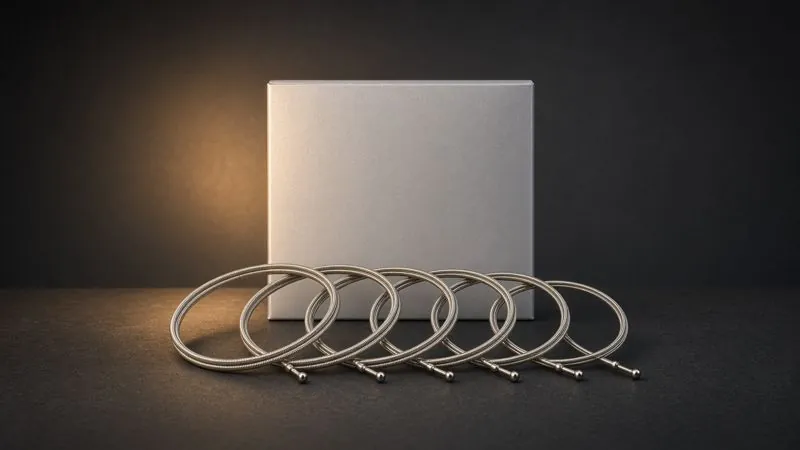
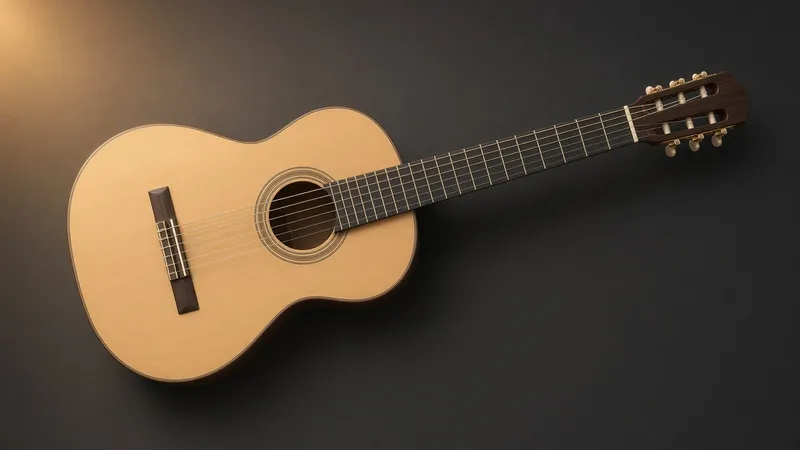
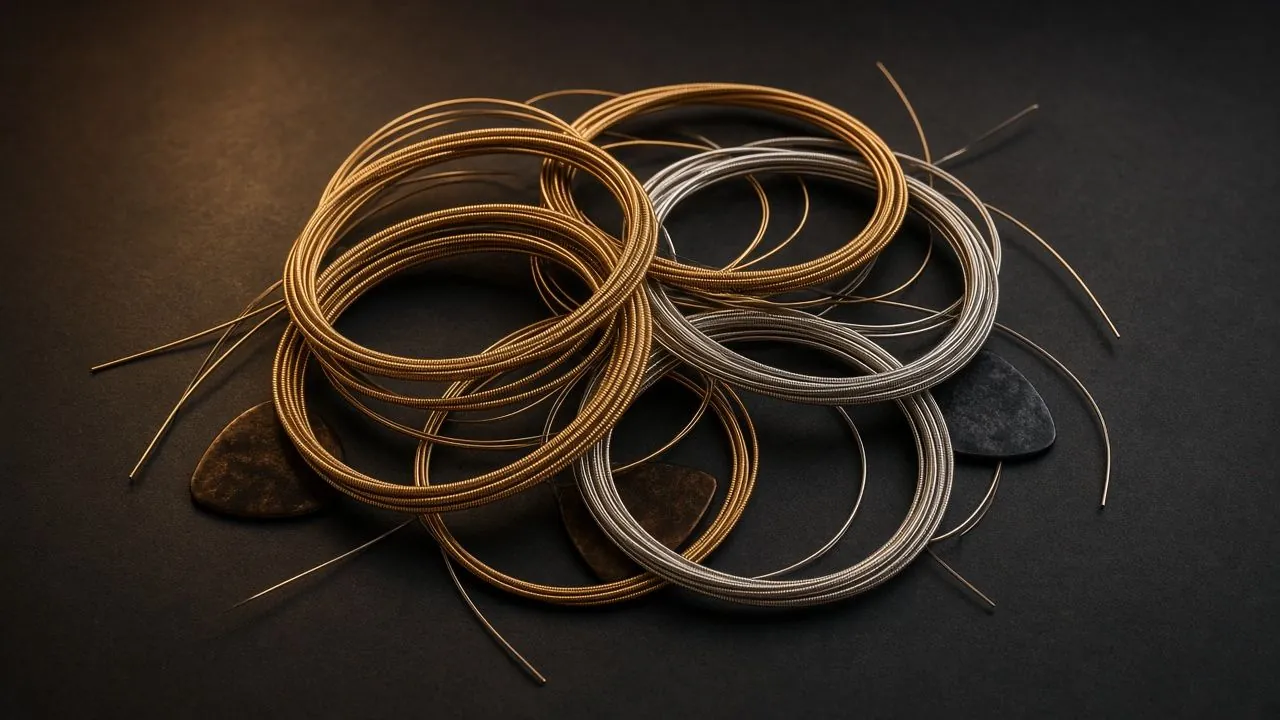
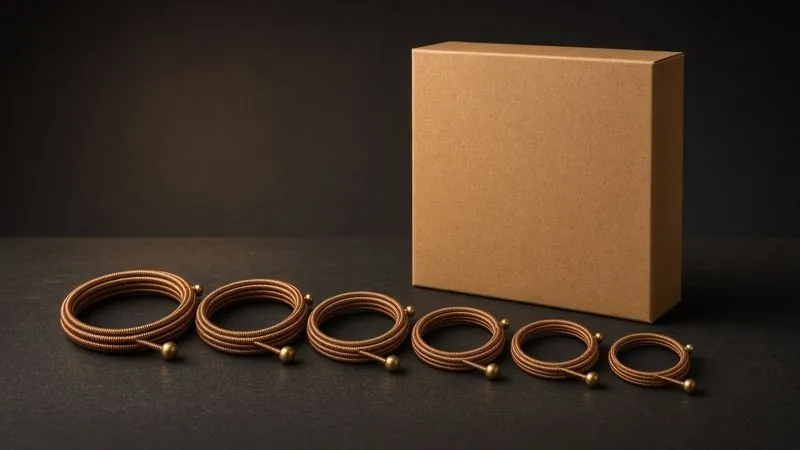
You don't need to buy anything to get through sore fingers - time and a light touch do most of the work. These three are the most useful if your current setup is making it harder than it should be. Specs come from each maker's page; the button goes to the exact Amazon listing.
ILLUSTRATION
Illustration - AI-generated, not a photo of the exact product.
For most people practising most days, the worst soreness eases within about two to four weeks as calluses form. It takes longer if you practise less often.
Should I play guitar with sore fingers?
Mild tenderness is fine - keep sessions short. If you have a blister, broken skin or sharp pain, stop for the day and let it heal.
How do I make calluses form faster?
Practise little and often (10-20 minutes, two or three times a day), press only as hard as needed, and keep playing regularly.
Do electric guitars hurt less?
Usually, yes. Electrics typically have lighter strings and lower action than steel-string acoustics. Nylon-string guitars are gentlest of all.
Why does my guitar hurt more than my friend's?
Heavier strings, high action or strings tuned sharp make any guitar harder to press. A lighter set and a setup often fix it.
When should I worry about finger pain?
When it's sharp, in a joint, wrist or forearm, comes with numbness, tingling or swelling, or gets worse instead of better. See a health professional.
Will my calluses go away if I stop?
They soften after a few weeks without playing, but come back faster when you restart.
Sources checked
Healthline: Guitar fingers - calluses, pain and injury (2-4 weeks average; factors; nail and pressure tips) (checked Oct 21 2026): www.healthline.com/health/guitar-fingers
Fender: Surviving guitar fingers and managing finger pain (10-15 minutes a day; good vs bad pain; ice and numbing creams) (checked Oct 21 2026): www.fender.com/articles/techniques/how-to-minimize-finger-pain-playing
ChangeYourStrings: How to build guitar calluses (super glue is an emergency fix; TrueFire 15-20 minutes, 2-3 times a day) (checked Oct 21 2026): www.changeyourstrings.com/guides/how-to-build-guitar-calluses
r/guitarlessons threads on fingertip pain and calluses (learner experience, not medical advice) (checked Oct 21 2026): www.reddit.com/r/guitarlessons/comments/102ybvq/
NHS inform: Exercises for osteoarthritis of the hand (pain-scale guidance; when to seek help) (checked Oct 21 2026): www.nhsinform.scot/illnesses-and-conditions/muscle-bone-and-joints/arm
Not hands-on testing: FretCompare summarises official instructions and published facts. Steps and terms change, so follow the official page if it differs.
Free 7-Day First Chords course - Confirm your email first (Kit sends a confirmation link). Day 1 arrives the next morning (about 9 AM Central), then one short email a day until Day 7: setup, first chords, strumming, a first song. Unsubscribe any time.
 ILLUSTRATION